SwissKirschCulture
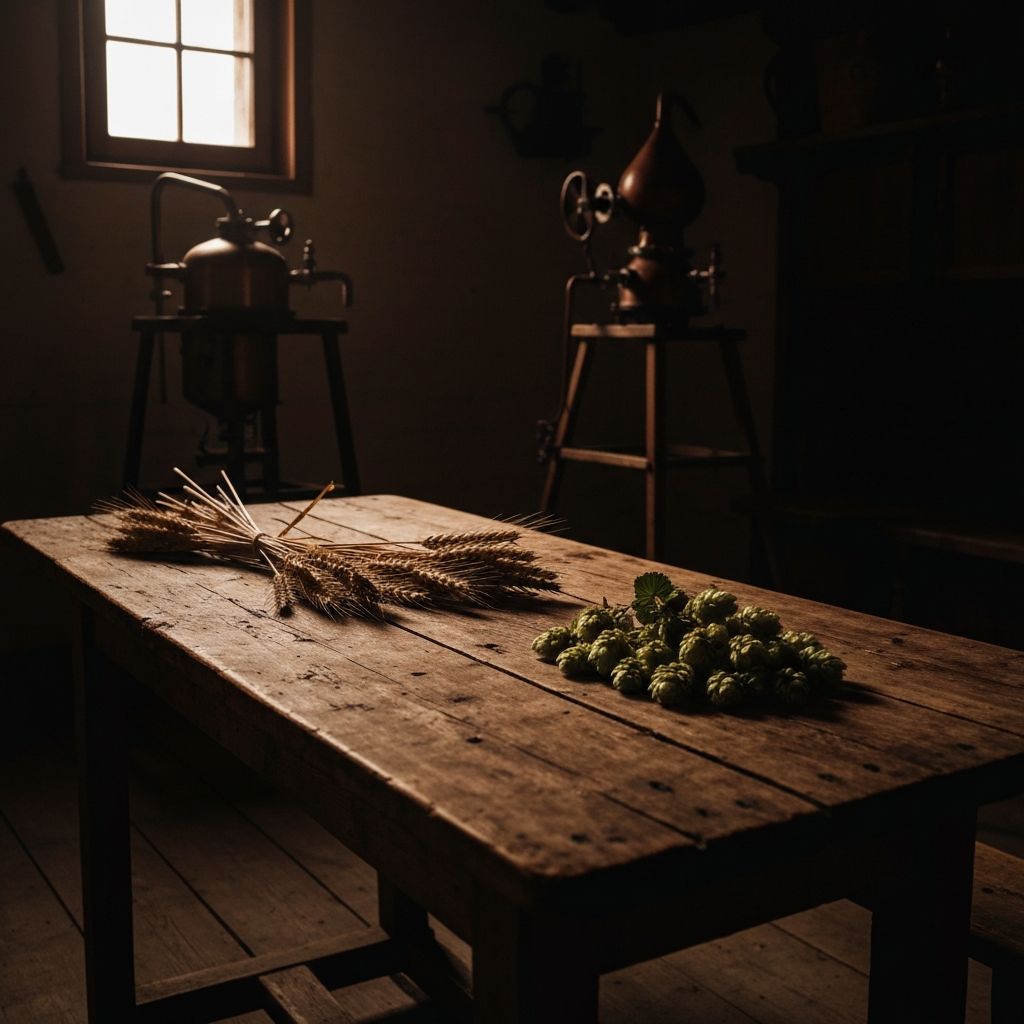
Traditional Swiss distillation equipment, wheat stalks and hops on a rustic table

Regional Traditions

Local Spirits & Beer

The Distilled and Fermented Heritage of Switzerland

Alcohol Content38–50% ABV (spirits)
18+

This website contains information about alcoholic beverages. You must be of legal drinking age in your country of residence to continue browsing. Alcohol should be consumed responsibly and in moderation. Do not drink and drive.

Introduction

Switzerland's relationship with fermented and distilled beverages runs deeper than its most famous export, Kirschwasser. Across the twenty-six cantons, a quieter landscape of regional spirits and local beers reflects the diversity of the country's geography, climate, and agricultural traditions.

From the warm, south-facing valleys of the Valais to the pre-Alpine farmlands of Aargau and the urban microbreweries of Basel and Zurich, Swiss alcohol culture is fundamentally local in character — tied to place, season, and community rather than to industrial-scale production.

Regional Spirits

Traditional distillates of the Swiss cantons

Williams Pear Eau-de-Vie

Valais40–45% ABV

Distilled from ripe Williams Christ pears grown in the warm, sun-exposed Rhône valley, this eau-de-vie is immediately recognisable by its intense, almost explosive fruit aroma. The pear character on the nose is vivid and true. On the palate it is dry, with a clean, persistent fruit note and a mineral quality from the alpine glacial water used in reduction.

The Valais — Switzerland's warmest and driest canton — is the heartland of Swiss pear distillation. The combination of altitude, dry heat, and mineral-rich soils produces pears of exceptional aromatic concentration. Traditional small-batch production uses double distillation in copper pot stills.

Enzian Schnapps

Swiss Alps (Multiple Cantons)38–42% ABV

Produced from the roots of the yellow gentian plant (Gentiana lutea), which grows at elevations above 1,500 metres across the Swiss Alps, Enzian is a bitter, intensely herbal schnapps. Its character is earthy and medicinal, with notes of dried herbs, root vegetables, and a pronounced, lingering bitterness.

Gentian root harvesting is tightly regulated in Switzerland to protect the wild plant populations. Distillers must hold permits, and harvesting is restricted to designated areas and periods. The roots are macerated in neutral alcohol before distillation — a process that extracts the full spectrum of bitter compounds.

Zwetschgenwasser

Aargau, Thurgau, Zurich38–43% ABV

Made from the fermented must of Zwetschgen — a specific variety of European plum with a firm, dense flesh and a blue-black skin — this schnapps has a warm, rounded character. The stone-fruit aroma is softer than Kirschwasser, with a slight spice note and a gentle, warming finish.

Zwetschgenwasser is among the most widely produced traditional schnapps in the German-speaking Swiss countryside. It has historically been the farmhouse spirit — distilled from surplus or damaged fruit that could not be sold fresh, ensuring nothing from the orchard was wasted.

Pflümliwasser

Basel-Landschaft, Solothurn38–42% ABV

Related to Zwetschgenwasser but distinct in flavour, Pflümliwasser is made from smaller, wilder plum varieties. The resulting spirit is more rustic — with a gamier, more robust character and a deeper colour before clarity is achieved in the final distillation cuts.

Pflümli — the diminutive of Pflaume (plum) — reflects the affectionate Swiss-German relationship with this small fruit. The spirit is common in old-style agricultural communities in northwestern Switzerland, where it is still distilled in small batches in autumn following the plum harvest.
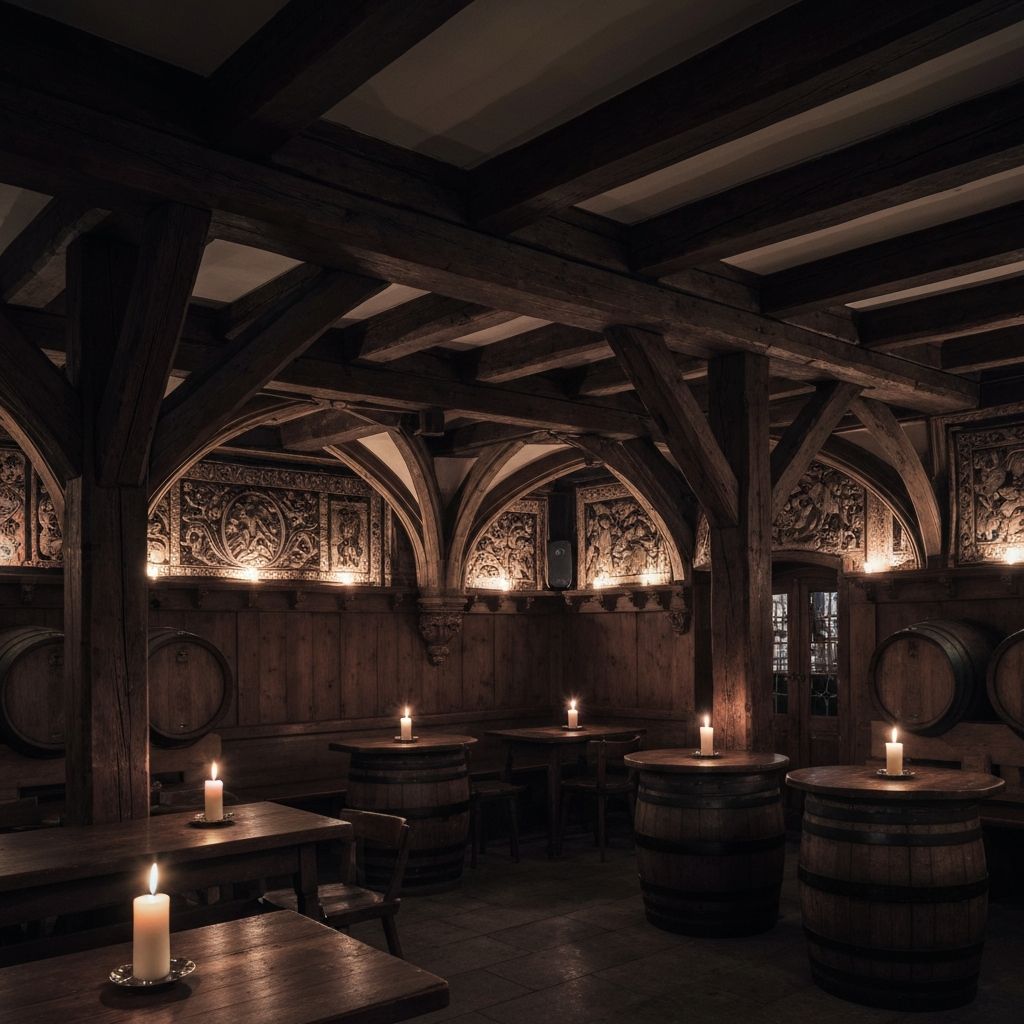
Traditional Swiss pub interior where spirits and beer are served

The Beiz — the traditional Swiss pub — serves as the primary distribution point for regional spirits and local beers.

Swiss Beer — A Brewing Tradition

Lager, wheat, and craft — the cantons in a glass

Switzerland has brewed beer since at least the medieval period, with monastery records from the canton of St. Gallen documenting ale production as early as the ninth century. The modern Swiss beer landscape is shaped by the nineteenth-century industrialisation of lager production and, more recently, by a vibrant craft brewing scene that has revived small-scale, artisanal methods.

Swiss Lager

4.8–5.2% ABV

Pale Lager

The dominant beer style across German-speaking Switzerland, Swiss lager follows the central European pilsner tradition with a clean, malt-forward profile, moderate bitterness, and a crisp, dry finish. It is produced using bottom fermentation and cold conditioning — a process introduced to Switzerland in the nineteenth century.

Weizenbier

4.5–5.5% ABV

Wheat Beer

Common in the areas bordering Bavaria, Swiss wheat beer is brewed with a high proportion of malted wheat — typically 50% or more. The unfiltered (Hefeweizen) variant is cloudy from yeast in suspension and carries characteristic banana and clove notes from the specific yeast strain used.

Swiss Amber

5.0–5.8% ABV

Amber / Vienna Lager

A category that has grown alongside the craft brewing movement in Switzerland, amber lagers and ales are characterised by a deeper malt character — caramel, toast, mild nuttiness — balanced against a moderate hop bitterness. They draw on both German and Belgian brewing traditions.

Alpine Pale Ale

4.5–6.0% ABV

Craft Pale Ale

The Swiss craft beer movement, which accelerated from the late 1990s, has produced a growing range of pale ales and IPAs incorporating both traditional European and North American hop varieties. Many Swiss craft producers infuse their beers with local ingredients — alpine herbs, mountain water, local grains.